

What is TMJ?
TMJ stands for the Temporal-Mandibular joint, connecting the skull to the lower jaw. Often overlooked, our TMJ is tiny but complex, and issues which arise from this area can lead to chronic tension that may affect our daily lives
Symptoms of TMJ Dysfunction can affect the muscles surrounding the jaw, leading to inflammation and restrictions of the facial muscles and fascia (connective tissue), resulting in pain, jaw misalignment and change in face shape.
There are over sixty muscles in the face, and facial tension is often caused by factors such as stress, posture, bruxism, previous injuries, structural imbalances, and emotional overwhelm. Our mind and body are connected through a network of cells, systems and organs so there may be various factors to consider when experiencing TMJ Dysfunction.
I have been providing TMJ treatments for several years as a holistic body worker to help ease pain and discomfort. I have always taken a whole body approach as everything is connected, and that includes the nervous system. Now, in my role as a Psychotherapist, my aim is to explore the root cause and underlying emotions in stress-related TMJ conditions which contribute to conditions such as bruxism, migraines, tension headaches.
Stress activates our fight or flight response which causes muscles throughout the body to tense. Our jaws clench as a protective response even when there is no real threat so when stress becomes chronic, tension remains and the muscles do not get a chance to recover.
You may have tried conventional methods such as mouth-guards, physical exercises and been recommended Botox, but find the relief is temporary and your TMJ flares up during stressful periods. Addressing the nervous system is key to creating lasting relief.
I respect what methods already work for you and my approach works alongside them to approve your overall well-being, energy, sleep and digestion.
We cannot always change our situation but we can give our bodies permission to safely release the tension it is holding onto. When your nervous system calms, the jaw can finally let go.
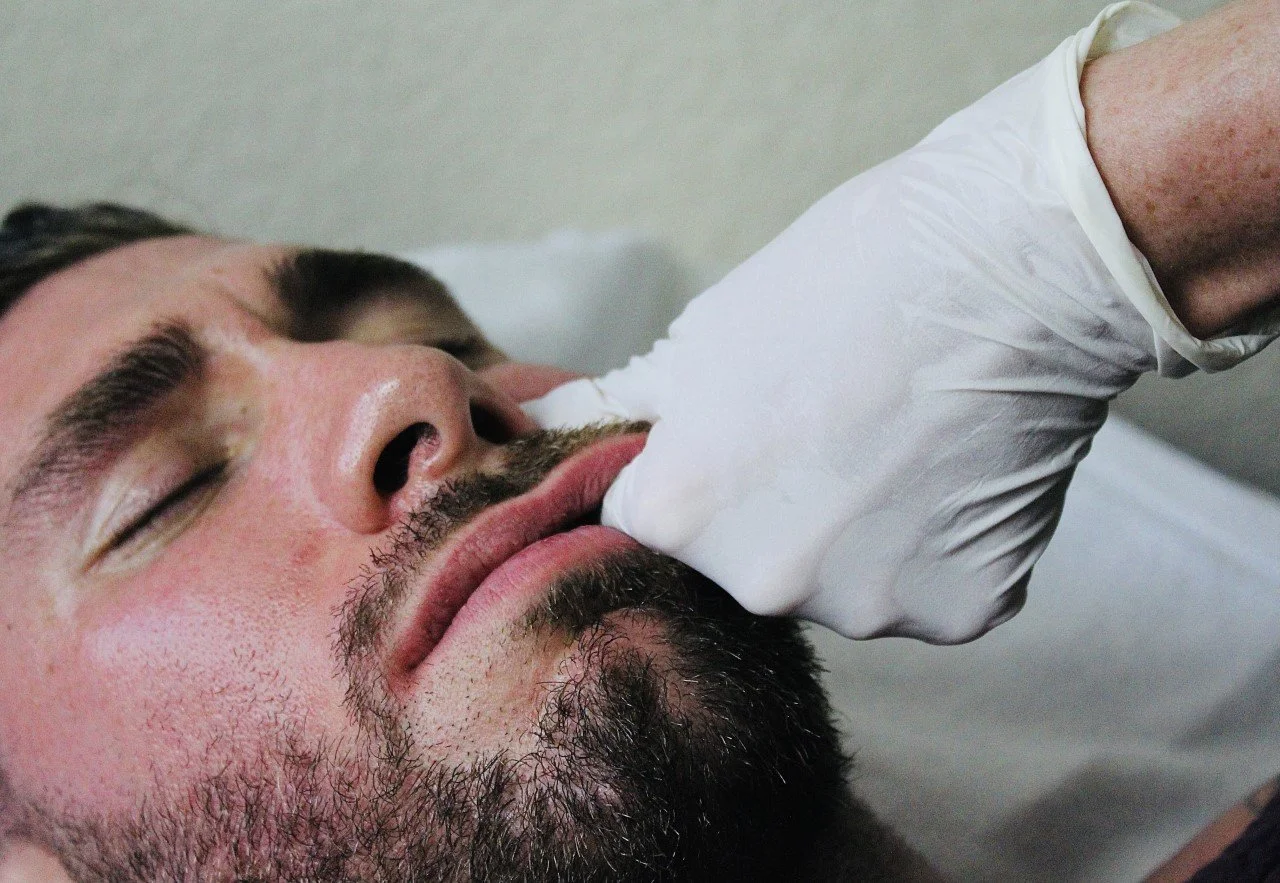
Here at CMS Counselling, our aim is to create lasting change by exploring the underlying stress and emotional patterns which contribute to your TMJ and jaw issues, facial pain and physical tension.
What to expect:
Physical assessment and myofascial release of the jaw (intra-oral).
Weekly 50-minute integrative counselling sessions
Aftercare and resources to support you outside of the sessions
A six week review of TMJ tension and symptoms.
Continued counselling for deeper exploration of the self, if required.

FAQs
-
People suffering from:
• Jaw pain, clicking, or popping
• Limited jaw movement or lockjaw
• Frequent headaches or ear pain
• Neck and shoulder tension
• Teeth grinding or clenching
• Stress, tension and anxiety
• Digestive issues
• Chronic fatigue
• Anyone with physical tension
-
Some areas may feel tender or sore, especially if there is significant muscle tightness. However, the pressure can be suited to your needs and you are in control at all times.
My approach is usually gentle and nurturing, targeting the muscles and tissue through myofascial release.
-
No, intraoral massage is optional, but highly effective. External techniques alone can provide significant release, but these intra-oral techniques target the pterygoid muscles located inside of the jaw and free fascial restrictions. Therefore, they are highly effective at stimulating your parasympathetic nervous system and letting go of unnecessary tension.
-
Techniques for TMJ Dysfunction may not be suitable for individuals with:
• Severe jaw dislocation or fractures
• Acute infections or open sores in the mouth
• Severe arthritis affecting the jaw
• Recent dental surgery (wait for clearance from your dentist)
• Pregnancy under 12 weeks
• Are already receiving counselling
-
You can book a complimentary introductory call by contacting me via whatsapp on 07944 605 558
or email me at claire@massageonthemind.com
We will then arrange a suitable time and date to begin our sessions.
-
I operate a 24 hour cancellation policy. Therefore I kindly ask for 24 hours notice if you need to cancel or reschedule.
If 24 hours notice is not given, the session fee is payable.
-
I am an integrative Psychotherapist and registered member of BACP, currently working towards accreditation. I gained an MSc qualification at University of Greenwich in 2025.
I am a fully insured and registered member of CThA. I gained an ITEC Level 3 (Massage & Anatomy) in 2015 and completed Level 1 with TMJ Massage Therapies in 2021.

Getting started
Finding a therapist can feel daunting and it is important to find the right one for you.
I offer a free 15 minute telephone consultation. This introductory call allows you to ask any questions about the counselling service I provide.
This is an opportunity for us to meet online and get a sense of whether we are compatible. I want to get a sense of the support you need, and it is important for you to feel comfortable with me as your therapist.
Once we have scheduled your first session, we can explore what brought you to therapy, your hopes from counselling and any current challenges you face.
Please send me a message via the enquiry form to schedule a telephone consultation or initial assessment. All contact and any given information will be strictly confidential between us. I aim to reply to all queries in 24 hours.